Lives & letters
Writers, rabbis and readers: Leon Modena, and the long conversation about exile and diaspora in Jewish literature.
This section is about people and the words they left. The Venice Ghetto was never only a place of confinement: from the sixteenth century it was also a meeting point of languages, with Italian, Hebrew, Judeo-Spanish and Yiddish spoken within a few streets, and of readers and writers who corresponded far beyond the city. Lives & letters follows some of them, through what they wrote and what others wrote about them.
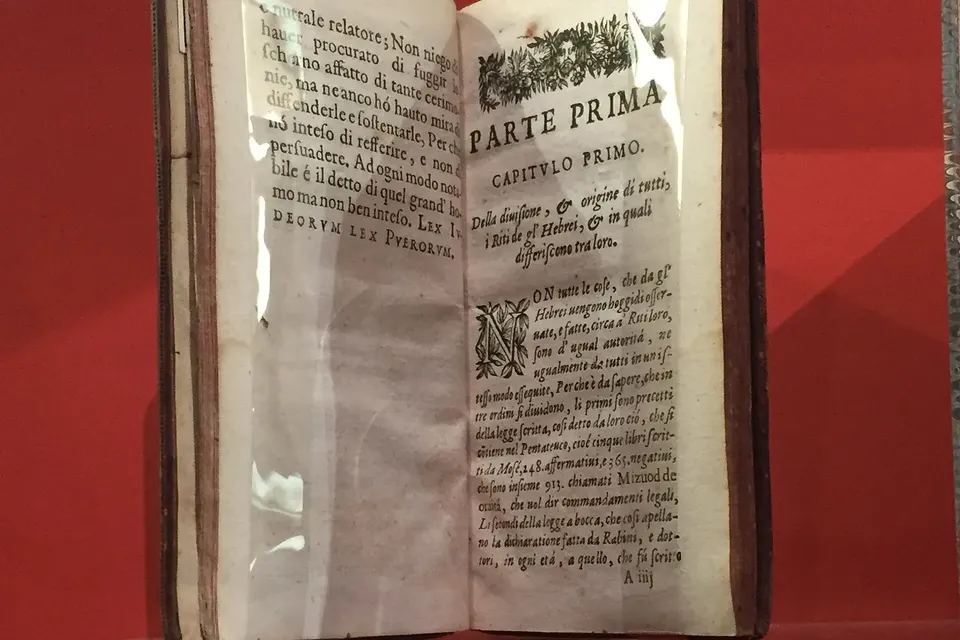
The central figure of the early modern Ghetto is Leon Modena (1571–1648), rabbi, preacher, teacher and author of an autobiography and of the Historia de' riti hebraici, the first account of Jewish rites written by a Jew for Christian readers. Around him moved a circle of Jewish and Christian writers, among them the poet Sarra Copia Sullam, whose salon in the Ghetto Vecchio and whose printed defence of 1621 we describe in our article on her Manifesto. Their letters, dedications and quarrels show how much intellectual traffic passed through the Ghetto gates, even in the decades when those gates were locked every night and guarded at the expense of the Jewish community itself.
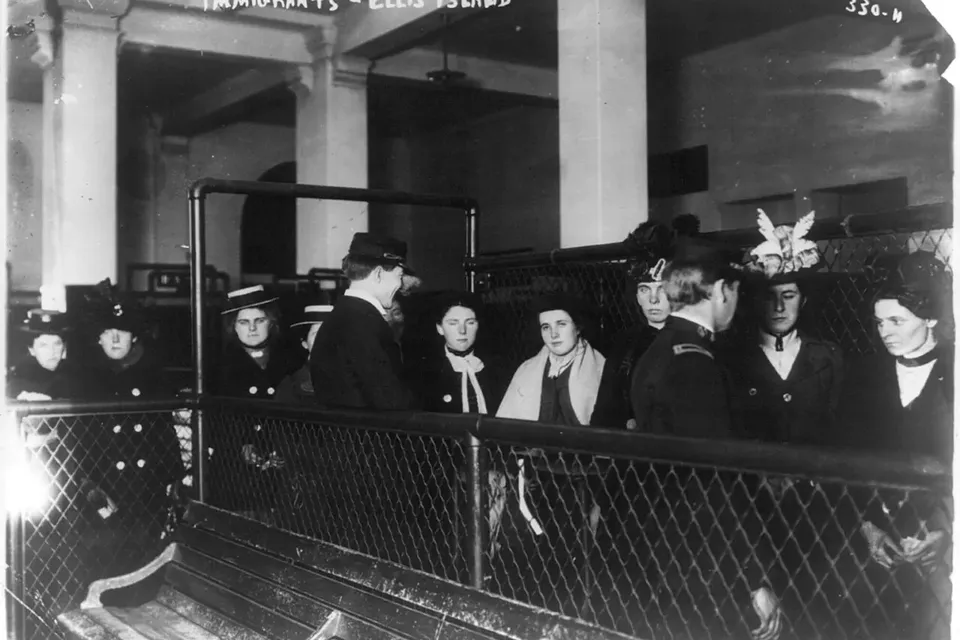
The section also looks forward, to the long conversation about exile and belonging that runs through modern Jewish literature. Our essay Not exile, diaspora? follows that question among Jewish writers in twentieth-century America, a debate in which Venice, the city that gave the world the word "ghetto", remains a constant reference.
We write these portraits from published sources: autobiographies and letters in modern editions, biographical dictionaries, catalogues of libraries and archives, and recent scholarship, each named in the article. Quotations are short and attributed, and where the sources disagree on a date or a fact, we say so rather than choose silently. Readers who know of a source we have missed can write to the editors through the contact page.
- Leon Modena (1571–1648): the rabbi who explained the Ghetto to the world
Preacher, cantor, poet, gambler and author of the first book explaining Jewish rites to Christian readers: the life and works of Leon Modena, the most famous rabbi of the Venice Ghetto.
- Not exile, diaspora? Jewish writers and modern American culture
Why American Jewish writers from Abraham Cahan to Philip Roth rethought the old idea of exile as diaspora, and what the debate owes to Europe, to Israel and to the image of Venice and Shylock.